Essay sales leads
Sales Pitch Structures That Work in B2B SaaS Demos
Discover buyer pain first, then tailor your demo to three use cases.
The feature-walkthrough demo where a rep shares a screen and clicks through every button the product has no longer matches how buying decisions in B2B SaaS actually get made. Buyers show up having done their own research, so a tour of what the software does tells them nothing they couldn't find on their own. What they're missing is a read on their own situation they couldn't have gotten by themselves, something a rep notices that they didn't.
The second problem is simpler math. Buying committees have grown, and a demo pitched to the one person in the room stops working the moment someone forwards it. A pitch calibrated to a single champion falls apart the moment it gets forwarded to a CFO who wasn't on the call, or an end-user who's never heard of the product and has no reason to trust it yet. A pitch built for an audience of one can't survive contact with the other twelve people who'll eventually weigh in on it.
Two structures have emerged as the real alternatives to the feature walkthrough, and they start from opposite assumptions about what a buyer already knows.
Run Discovery Before Sharing Any Screen
The most common fix is simple to state and hard to skip: run discovery as its own phase, completely separate from the demo, before a single screen gets shared. The best demos start with a conversation that surfaces what the prospect's pain actually is, how their workflow currently runs, and what success would look like to them. Discovery has to happen before the demo; without it, the demo that follows is a guess.
The strongest structure for that conversation right now is SPICED: Situation, Pain, Impact, Critical Event, Decision. In practice that means six to eight open-ended questions, weighted toward Pain and Impact since that's where the real information lives, closed out with five minutes confirming what happens next. A great discovery call that ends without a clear next step just becomes a nice conversation nobody acts on.
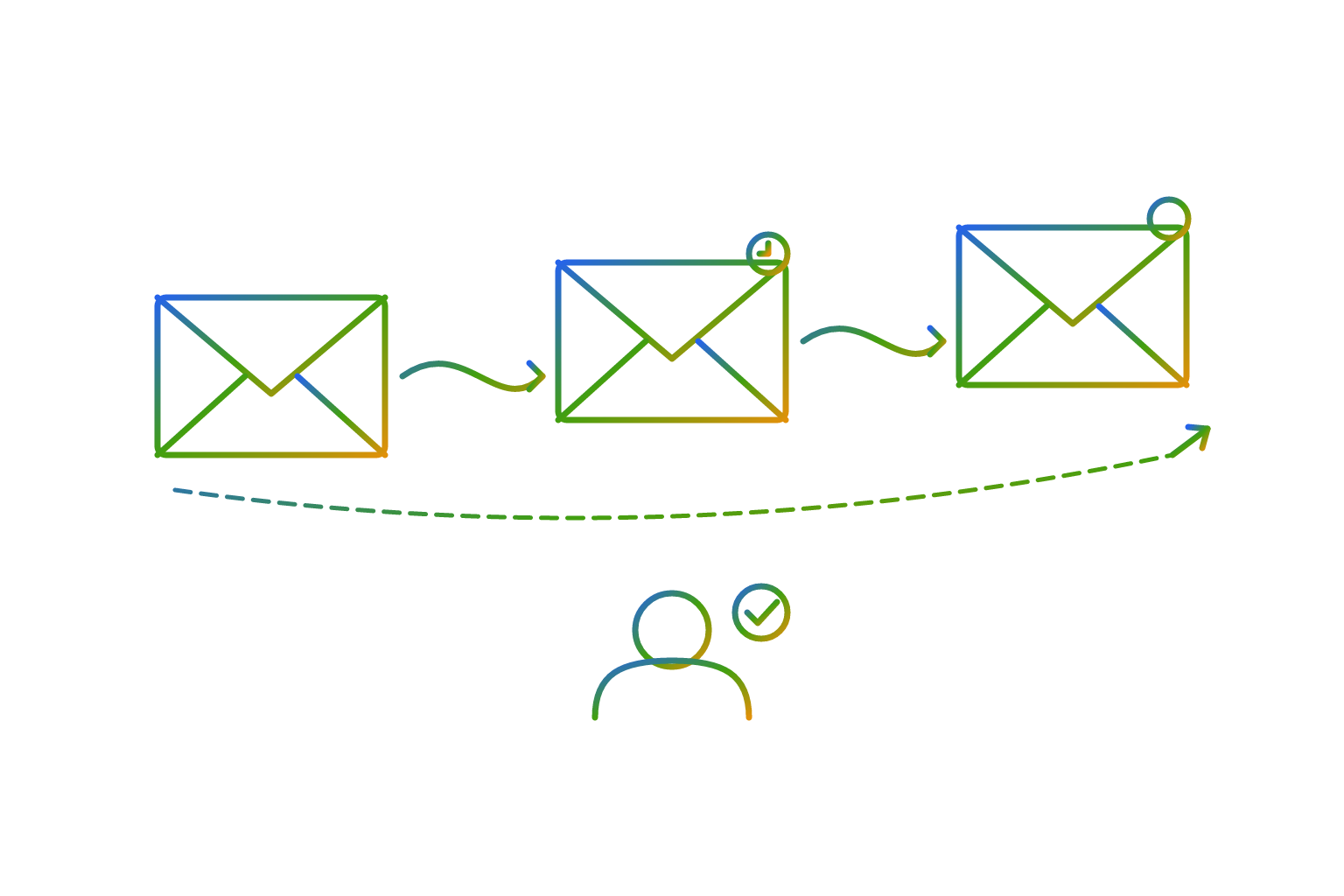
Discovery also produces something concrete to hand off: a personalized interactive demo sent right after the call, built around what the prospect actually said. That artifact carries the conversation to people who weren't on the call and never will be.
The live demo that follows discovery has a defined shape. Two minutes for intro and rapport. Five minutes recapping discovery and confirming the pain points are still accurate. A focused 15-minute middle stretch covering no more than three use cases, each one tied directly to something the prospect already said mattered. Five minutes for objections. Three minutes to lock in next steps. That three-use-case ceiling isn't arbitrary: show a fourth or fifth use case and the thread connecting problem to solution snaps, and the demo quietly turns back into the feature tour it was supposed to replace.
Challenger Opens With a Buyer Reframe
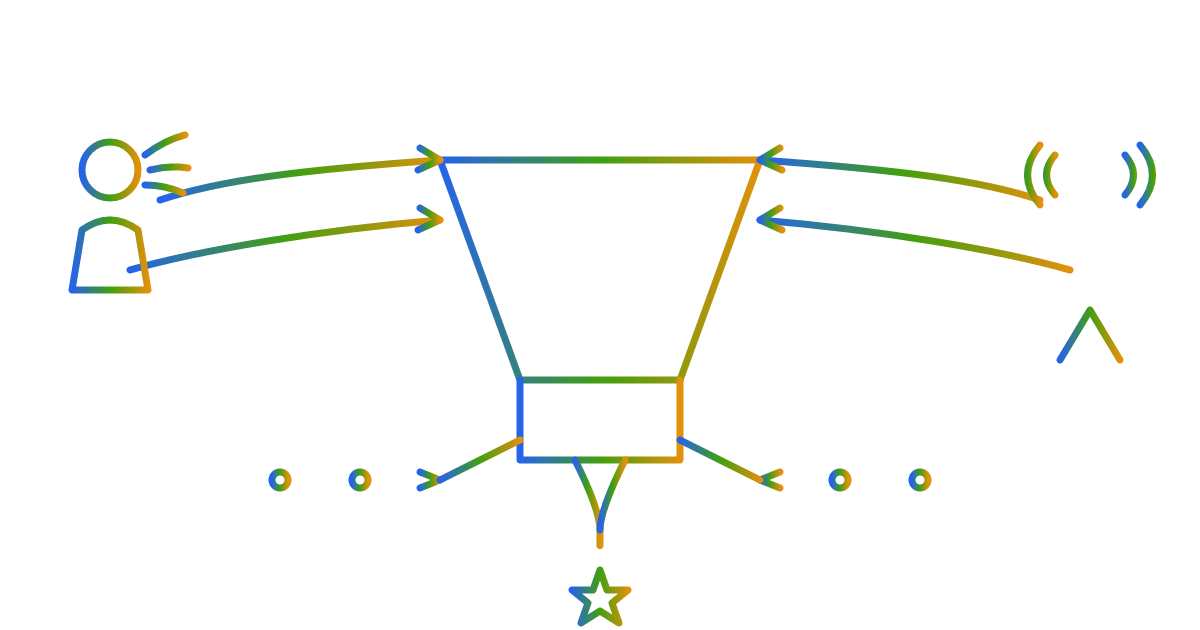
Discovery-first assumes the buyer has already diagnosed their own situation correctly and just needs help picking the right fix. Challenger starts from the opposite assumption: the buyer's diagnosis is probably incomplete, and the most valuable thing a rep can offer is an insight the buyer didn't have walking in.
Challenger was developed by CEB, now part of Gartner, from research across thousands of sellers. Its finding was that the strongest performers teach customers something they didn't already know, adjust the conversation for whoever's in the room, and take control of the commercial discussion instead of just responding to it.
Applied to a demo, the pitch opens with a reframe instead of a question. Before anything else happens, the rep names an industry force or an operational reality the buyer hasn't fully priced into their thinking yet. Zuora's sales deck is the reference point everyone returns to here: it opened not with the product but with the claim that a subscription economy had become inevitable, with the product arriving only once the buyer already agreed the shift had taken hold.
The Hook, Problem, Insight, Proof, Ask structure turns that logic into something repeatable across formats. The Insight step is where the reframe actually lands, and the discipline the framework enforces is patience: hold the product back until the buyer has agreed, out loud, that the problem exists. Without that agreement, the insight fails to differentiate the pitch.
Where Each Framework Actually Breaks Down
Neither framework works everywhere, and each one's weak spot happens to be the other's strength.
Challenger has a real blind spot: it assumes you're already in a conversation worth having. It doesn't tell a rep which accounts to approach or whether the timing is even right. A flawlessly delivered reframe aimed at an account that isn't in an active buying window produces nothing. On top of that, Challenger is genuinely hard to coach. "Be more insightful and assertive" isn't a script the way a SPICED question sequence is. Plenty of sales organizations ran the workshop, nodded along, and changed nothing about how their reps actually sold.
Discovery-first has the opposite failure mode. It trusts that the buyer's stated pain is the real pain. That leaves the rep stuck reacting to whatever the buyer said rather than pushing back when the buyer is solving the wrong problem.
The practitioner consensus settling out of this isn't a vote for one side. For enterprise and complex deals, MEDDIC or MEDDPICC leads qualification. For competitive, insight-led selling, Challenger principles carry the conversation. Those two aren't rivals; they run at the same time, doing different jobs.
Deck Structure Determines Whether Deals Scale
Decisions about slide count and deck modularity, made long before anyone writes a word of copy, end up mattering more than almost anything said out loud in the room. They decide whether the pitch survives being passed around a committee that never meets all at once.
Choosing a slide count without mapping it to where the buyer actually is in their process produces wasted rep time: reps running full decks on prospects who lose interest before the proof section even loads. That waste raises customer acquisition cost in a way that's easy to miss because it never appears as a single bad number, just a slow drain across every rep's calendar.
Founder-led teams fall into a specific trap here. Early on, a founder runs a short, tight deck built entirely around their own story, and it converts well because the founder's credibility and relationships compensate for whatever the deck itself is missing. That works right up until the company tries to scale past the founder. An SDR can't replicate that delivery, and a champion can't forward a founder's personal pitch to an absent CFO and expect it to land the same way on paper as it did in person.
The fix is modularization: locked brand elements, swappable slides by persona, deal stage, and industry, built so a rep assembles the right version instead of starting from scratch each time, with AI-assisted visuals now a common part of building that out. Multi-threading has to be built into the structure, not left to chance. Single-threaded deals die. Top performers aim for three or more stakeholders on every call: the Champion, the Economic Buyer, and the End Users, and the deck has to speak to all three roles, whoever happened to book the meeting or not. That discipline matters more every year, given that enterprise deals now average 13 decision-makers.
One framework ties all of this directly to revenue instead of just engagement: Intent Match, Problem Agitation, Proof, Revenue CTA. It connects deck structure straight through to Net New ARR, Payback Period, and SQL-to-Close Rate, three numbers that show whether the deck is actually driving deals rather than just holding attention.
Two structures have emerged as the real alternatives to the feature walkthrough, and they start from opposite assumptions about what a buyer already knows.
Interactive Demos Now Shape Buying Decisions
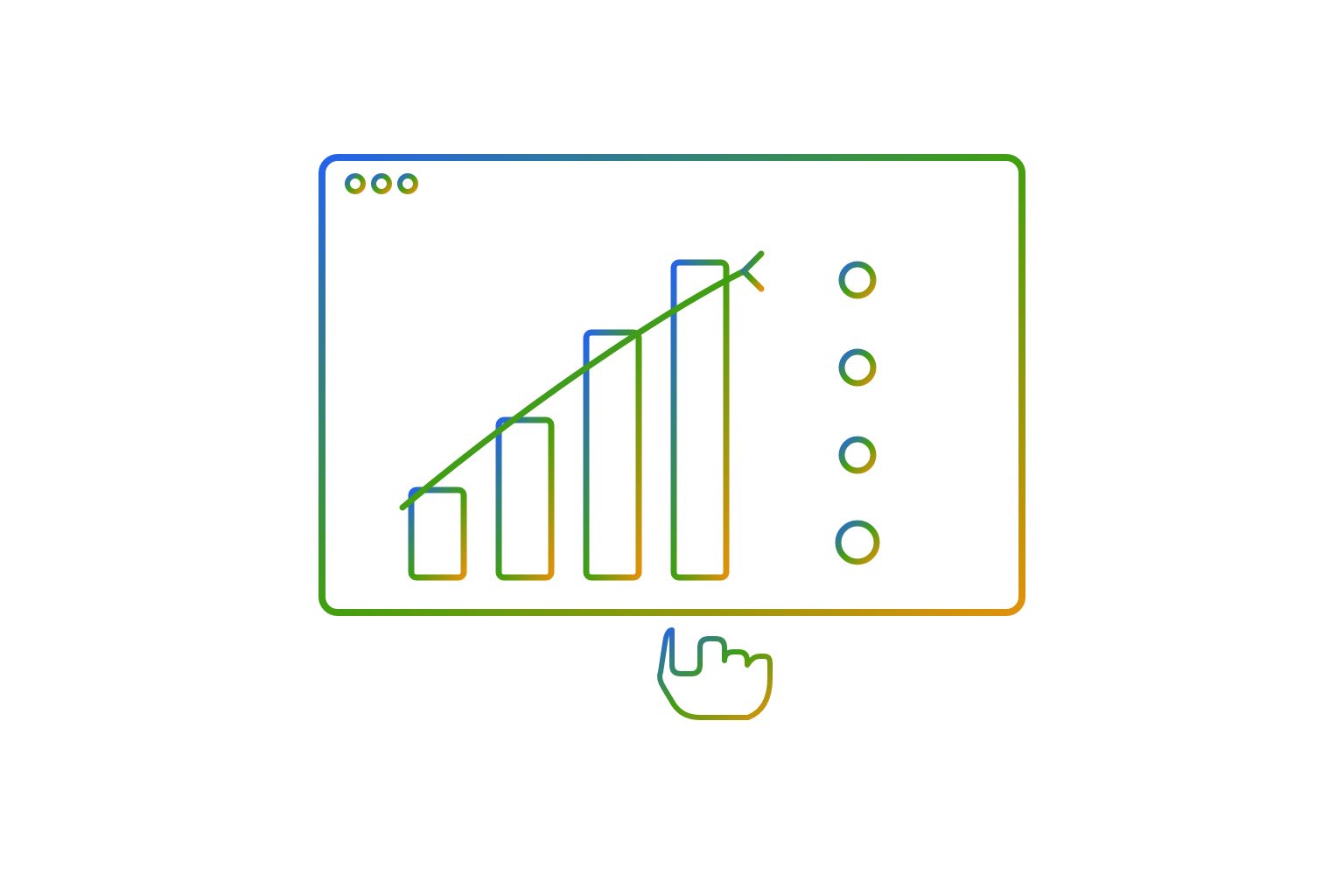
Interactive demos, sent both before and after the live call, have changed where the buying decision actually gets made, because stakeholders who never attended the call are now forming their opinion of the product from a self-guided walkthrough instead.
Zapier sent interactive demos as discovery follow-ups and saw booked meetings climb meaningfully as a result. RudderStack standardized its sales training and SDR certification around interactive demos built on Arcade and cut training time substantially in the process. Klue launched a dedicated Demo Area and generated a reported $550,000 in new pipeline shortly after, with demo requests and conversion rate both nearly tripling.
The category's leading platforms include Navattic, Storylane, Arcade, Supademo, and Reprise, each used for the same job: letting a prospect explore the product on their own terms before or after talking to a rep.
If a rep can see what a prospect clicked through before the live call, where they lingered, and where they dropped off, that visibility changes the pitch structurally. The live demo stops opening on a guess and starts opening on evidence, and discovery and the personalized pitch stop being two separate stages and start running as one continuous read on the buyer.
Funnel Metrics That Expose Pitch Problems
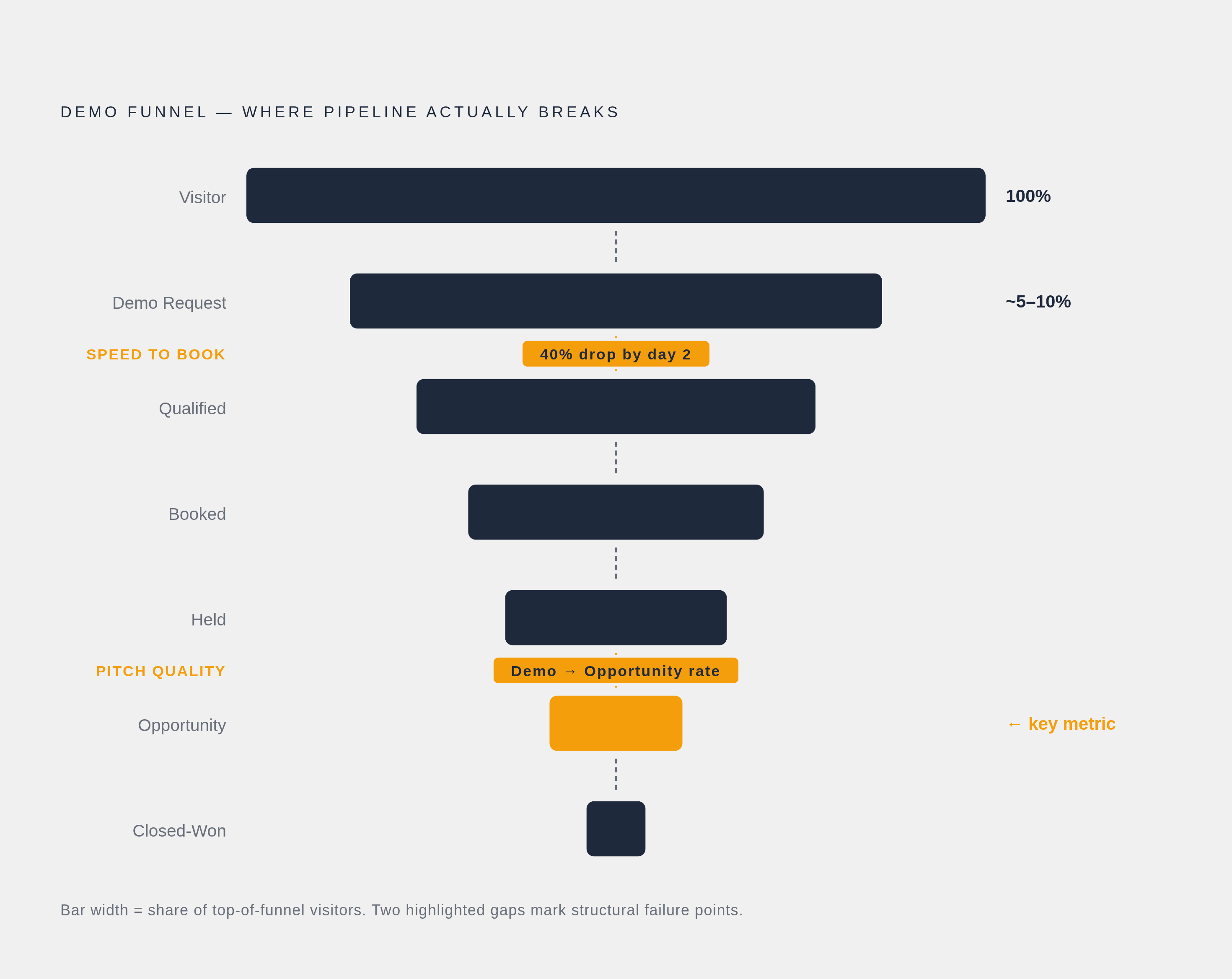
Most B2B SaaS teams count demos booked and call it tracking, when the number that actually matters is further downstream, in the full funnel that connects pitch structure to closed revenue. That habit lets real structural problems hide behind a top-of-funnel chart that looks perfectly healthy.
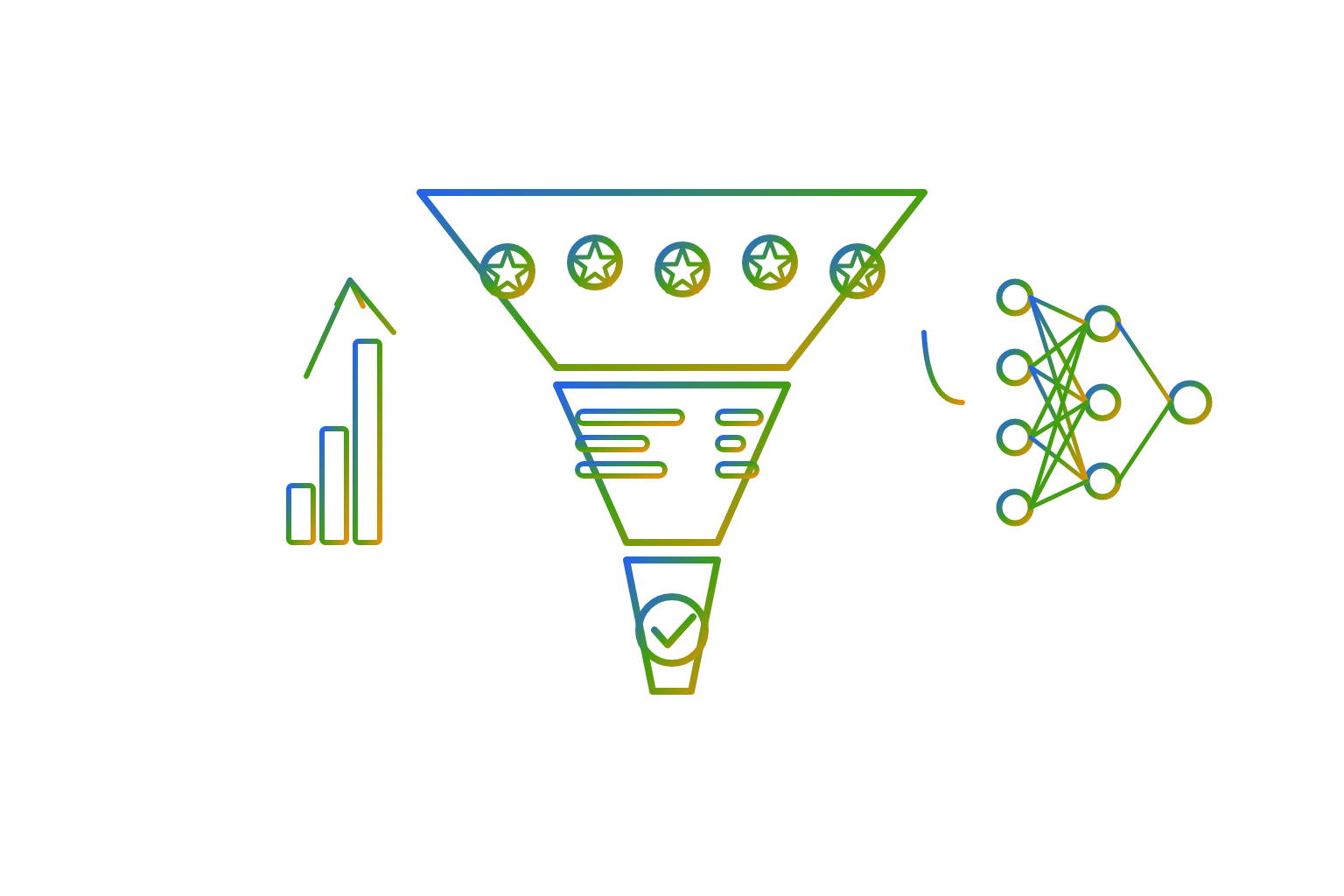
The seven stages run: Visitor, Demo Request, Qualified, Booked, Held, Opportunity, Closed-Won. A structural problem with the pitch itself is visible at the Demo-to-Opportunity stage or the Opportunity-to-Close stage, rarely at the top where everyone's watching.
The gap between a demo request and an actual booked meeting is where a lot of good pipeline quietly disappears. Booking probability drops to roughly 40% by the next day after someone fills out a form, so a pitch can be structurally sound from top to bottom and still lose the deal simply because the follow-up was slow. No-show rates run high across B2B segments generally, and meetings booked seven or more days out carry substantially more risk of falling through. Forecasting off booked volume instead of held volume makes the pipeline look healthier on paper than it actually is.
Deal size changes what normal even looks like. Enterprise deals carry more stakeholders, longer evaluation cycles, and tighter procurement rules, so applying SMB conversion benchmarks to an enterprise motion sets targets that are either impossible or too easy to mean anything. The same caution applies to GTM motion. Inbound, outbound, and product-led growth each convert differently, and blending them into one average hides that pattern.
The single number that says the most about pitch quality is the Demo-to-Opportunity rate. When that number drops, it usually means the demo isn't connecting to whatever criteria the buyer actually cares about, which traces straight back to discovery that didn't go deep enough or a problem frame that missed the mark.
Connect Every Pitch Element Into One System
Put discovery, framework choice, deck architecture, interactive artifacts, and funnel measurement together as one system instead of five separate decisions, and the pitch earns trust from the whole buying committee at every stage of the deal, not just during the thirty minutes a rep has the floor.
The sequence runs in order. Discovery, through SPICED or an equivalent structure, exposes the specific pain before any screen gets shared. The live demo covers no more than three use cases, each tied to a pain point the buyer already confirmed. The deck scales to deal size and stays modular enough for a champion to forward it to people who were never in the room. An interactive demo artifact follows discovery and carries the conversation to the decision-makers who weren't on the call, the same move that helped Zapier lift booked meetings by 70% when it started sending Arcade demos as follow-ups. Behavioral data from that artifact then feeds straight back into the next live conversation, so the rep walks in already knowing more than they did before.
Framework choice lives inside that sequence rather than competing with it. A Challenger-style reframe belongs at the opening when the rep genuinely has an insight the buyer doesn't have yet. Discovery-first leads when the rep still needs to qualify and calibrate before any reframe would even be credible. MEDDIC or MEDDPICC governs qualification across both, the whole way through.
The Hook, Problem, Insight, Proof, Ask structure holds across every format a deal touches: cold email, discovery call, live demo, executive pitch. What stays constant is the core argument: a pitch built around the buyer's actual situation will keep working long after a pitch built around the product's feature list has already lost the room.
Notes
- 15 Best B2B SaaS Sales Deck Examples That Close Deals
Provided details on multi-stakeholder deck structure, persona-based modular slides, and the Intent Match/Problem Agitation/Proof/Revenue CTA framework tied to ARR metrics.
- B2B SaaS Demo Conversion Rate Benchmarks & Best Practices
Supplied the seven-stage demo funnel model, booking probability drop figures, no-show rate data, and guidance on segmenting benchmarks by deal size and GTM motion.
- B2B Sales Pitch Guide 2026: Framework and Examples - Tomba Blog
Provided the SPICED discovery framework details and the Hook, Problem, Insight, Proof, Ask pitch structure described in the article.
- SaaS Demo Best Practices: The Complete 2026 Guide to Converting 40%+ of Product Demos - Fungies.io
Informed the recommended live demo timing structure (intro, discovery recap, three use cases, objections, next steps) and the rationale for limiting demos to three use cases.
- Run the perfect SaaS product demo call in 2026
Informed the discussion of running discovery as a separate phase before screen-sharing and tying each demo segment to confirmed buyer pain points.