Essay Sales Forecasting Methods
Sandbagging in Sales Forecasts and How to Detect It
Compensation rules rewarding underreporting drive sandbagging more than dishonest reps do.
Sandbagging in sales forecasts is deliberate information withholding. Detecting it means comparing what a rep reports with what the buyer has actually agreed to. But detection is only half the job. When compensation and quota rules reward hiding good news, leaders need to redesign those rules.
What sandbagging actually is, and how it differs from conservative forecasting
A rep is sandbagging when they intentionally delay closing a deal or report it as less advanced than the buyer’s actual position. Conservative forecasting, by contrast, reflects honest uncertainty about whether a deal will close. The dividing line is what the rep knows. A rep who calls a deal uncertain because budget is not confirmed is describing a real risk. A rep who says “maybe a Q3 thing” when the buyer asked for an invoice last week is withholding evidence of progress.
A rep might keep a real opportunity out of the CRM entirely, leaving leadership with no visibility. They might leave it in an early stage after the buyer has moved forward, or understate its value while keeping it visible. They might also delay a signature or close date by two weeks so the revenue lands in the next reporting period.
In SaaS and enterprise sales, long cycles and large deals give that distinction more room to blur. “It just wasn’t ready” can sound plausible for longer. That is a feature of the selling environment. It also means that a cautious forecast, by itself, proves very little.
Why the system, not the rep's character, usually produces sandbagging
Quota design can make withholding good news the financially safer choice. When leaders take hitting quota early as a sign that the target was too low, they can set a much higher target for the next quarter after a strong one. The rep learns that revealing full capacity has a cost. Sandbagging becomes insurance against being punished for overperformance. The company asks for transparency while attaching a surcharge to it.
Commission caps create a more direct calculation. Once no additional commission accrues, closing another deal offers no extra pay in the current period, while holding it can provide a head start when accelerators reset. Quarterly resets reinforce that choice. A close in the final week of Q2 helps the old period, while a close in the first week of Q3 helps the new one. If the current target is already covered, the compensation structure gives the rep a reason to wait.
Management behavior can teach the same lesson without a commission cap. If missing a committed number triggers scrutiny while beating a low commitment earns praise, undercommitting becomes a rational hedge. Celebrating “hero” closers adds another reward for deals that arrive as last-minute surprises. Meanwhile, ambiguous stage definitions give reps cover to keep a deal in “proposal” for six weeks without a clear test of whether it belongs there.
None of this makes withholding information acceptable. It explains why coaching alone may not change it. Detection that leaves these incentives intact turns forecasting into an adversarial contest over who can conceal or uncover more, rather than a shared effort to describe the pipeline accurately.
What sandbagging does to the forecast and the decisions built on it
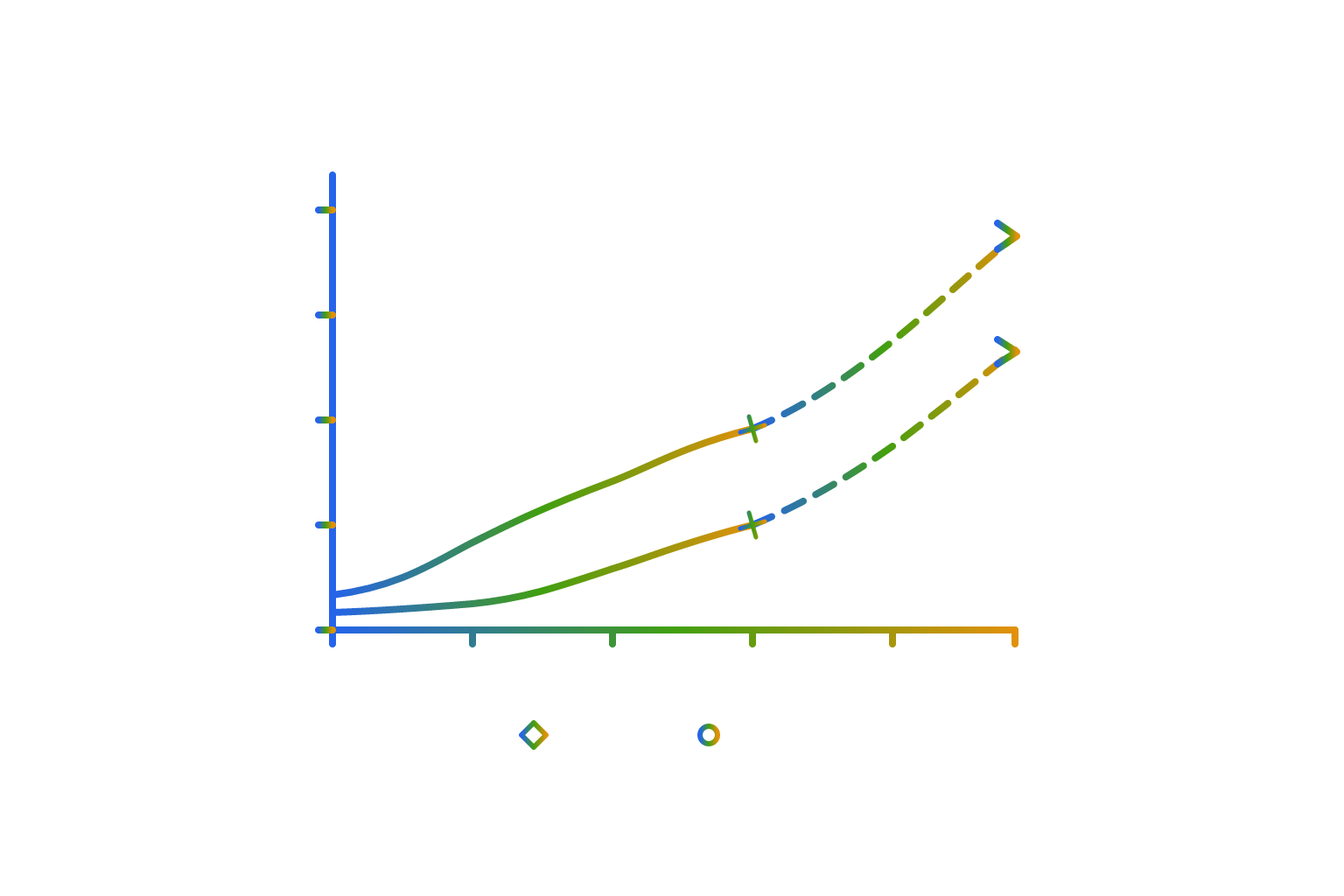
Hidden pipeline makes leadership underestimate what is likely to close, while delayed deals can create an artificial spike in a later quarter. A pleasant surprise is still a planning error. Repeated surprises weaken board confidence because leaders cannot explain results from the information they had when decisions were made.
That uncertainty spreads through the decisions built on the forecast. Finance uses it to project cash flow, while other teams use it to plan hiring, inventory, and how much to spend on marketing. When pipeline coverage looks thin because real opportunities are hidden, leadership can push for more pipeline generation that the business does not actually need. For publicly traded companies, misleading revenue projections also have implications for shareholders who depend on an accurate picture of expected performance.
The damage extends to how performance is judged. Reps who report openly can look worse than those who seem to save the quarter time after time. That rewards timing over discipline and can undermine retention among honest performers.
“Happy ears” reps overcommit deals that are not real, while sandbaggers understate deals that are, errors that pull in opposite directions and produce an untrustworthy picture of which revenue is likely to arrive or when.
The behavioral patterns that distinguish a sandbagger from a rep who is genuinely uncertain
The first clues often come up when people discuss how reps are doing, before anyone opens a report. Real sales results are lumpy, so a rep who finishes in a narrow band above quota every quarter deserves attention. Deals slip, and large opportunities sometimes land early. A record that is never meaningfully below target and never dramatically above it can suggest that the rep is managing the reported outcome. Consistency is welcome, but a metronome is not a sales strategy.
Deals that appear and close in the final two weeks may occasionally reflect strong late selling. When that becomes a quarterly ritual, it raises the question of whether the opportunities were known earlier and disclosed only once the outcome was certain. Aggressive quota negotiation followed by consistently comfortable attainment adds to that suspicion. Neither pattern establishes intent on its own, but repetition makes it harder to explain as ordinary uncertainty.
The language of a forecast call can reveal the same gap. Vague updates such as “waiting on the client,” with no named stakeholders or scheduled next steps, keep the discussion safely away from buyer commitments. Genuine uncertainty has a specific object, such as an unconfirmed budget. Withholding leaves the uncertainty conveniently undefined.
Reviews should therefore check whether the reported stage lags behind what the buyer has agreed to. If stakeholders are engaged, timing is clear, and next steps are scheduled, an early-stage label deserves examination. That comparison keeps the review focused on evidence rather than confidence, charm, or how convincingly someone sighs on a forecast call.
A rep might keep a real opportunity out of the CRM entirely, leaving leadership with no visibility.
The CRM and pipeline data signals that confirm what behavior suggests
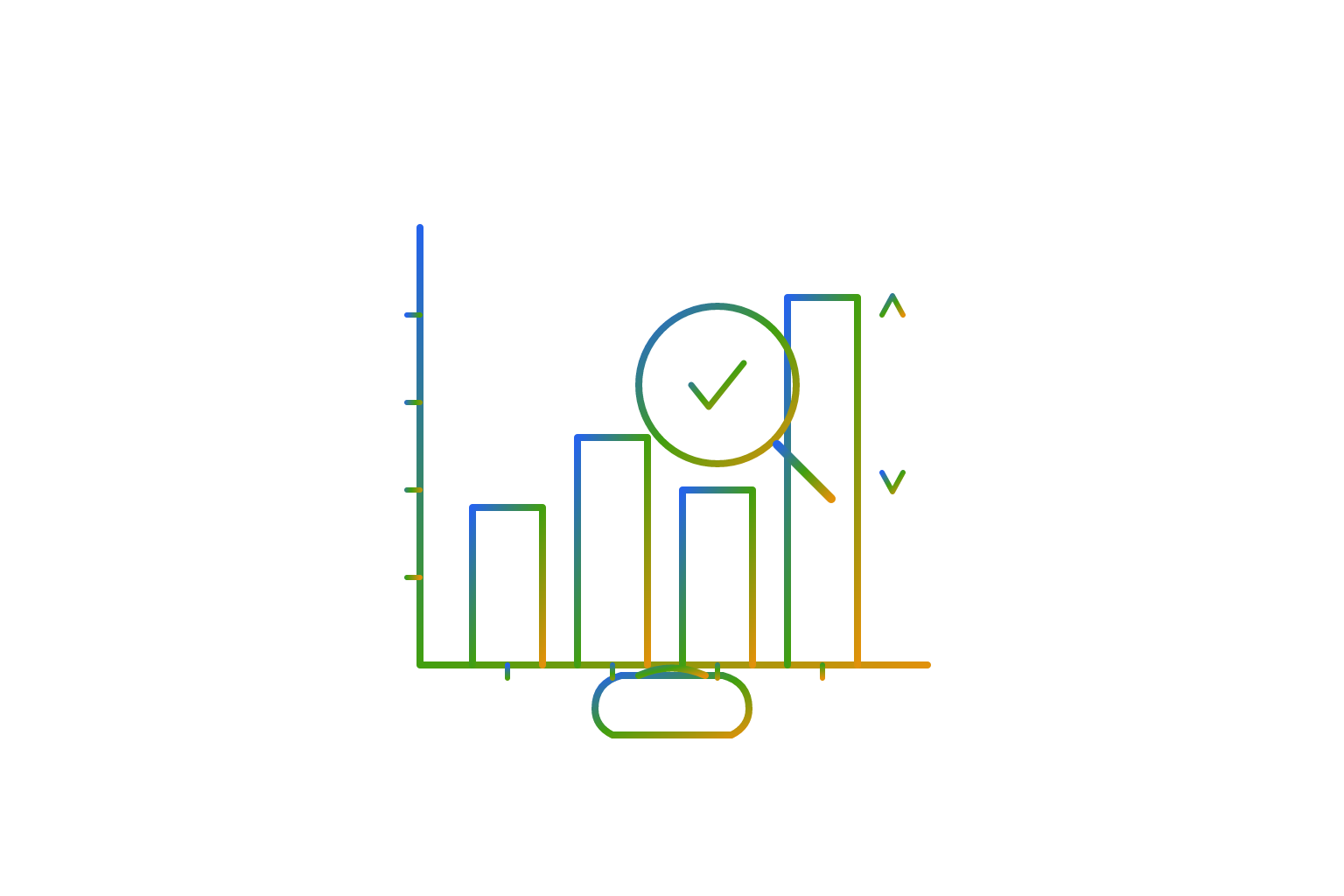
CRM reports provide a second layer of detection that does not depend on interpreting a rep’s demeanor. Useful comparisons examine each rep individually as well as the whole pipeline. Team totals can hide individual reporting habits. Stage duration and stage movement show whether recorded progress follows buyer events or the reporting calendar. Updates that repeatedly cluster at quarter-end suggest the calendar is doing too much of the selling.
Stage duration needs careful interpretation because withheld information can distort it in different ways. A deal left in an early stage can show a long recorded stay even while the buyer progresses quickly. A deal entered late can instead appear to close with very little visible history. The diagnostic gap is between the recorded timeline and the buyer’s actual movement.
Activity-to-deal-size ratios add another comparison. A large deal with little logged activity that closes quickly should stand out against the team average, because meaningful progress may have happened off the books. Discount rates on deals closed in the final two weeks also deserve review by rep. Where a discount bought speed, margin may have been traded to serve the rep’s preferred timing at the expense of the buyer’s needs.
Finally, a rep who beats their own committed number every quarter is not necessarily forecasting well. Attainment and accuracy are different measures. A reliably low commitment can manufacture a reliable beat, so that pattern warrants review before recognition. Taken together, these reports can corroborate the mismatch suggested by behavior, though no single anomaly proves deliberate withholding.
How conversation intelligence and AI forecasting tools make sandbagging harder to sustain
Sandbagging depends on an information gap between the rep and leadership. Conversation intelligence narrows that gap by creating a record outside the rep’s chosen CRM updates. When sales calls are automatically transcribed and analyzed, they document buyer engagement, objections, discussed timelines, and stakeholder involvement. The buyer’s words become a separate point of comparison. A stale deal stage no longer has to be accepted as the only account of progress.
Avoma makes that record by transcribing and analyzing calls. A leader can compare what was discussed with the status recorded in the CRM, including whether the buyer’s stated timing or involvement supports the rep’s forecast. That makes an inconsistency easier to examine without treating every cautious judgment as suspicious.
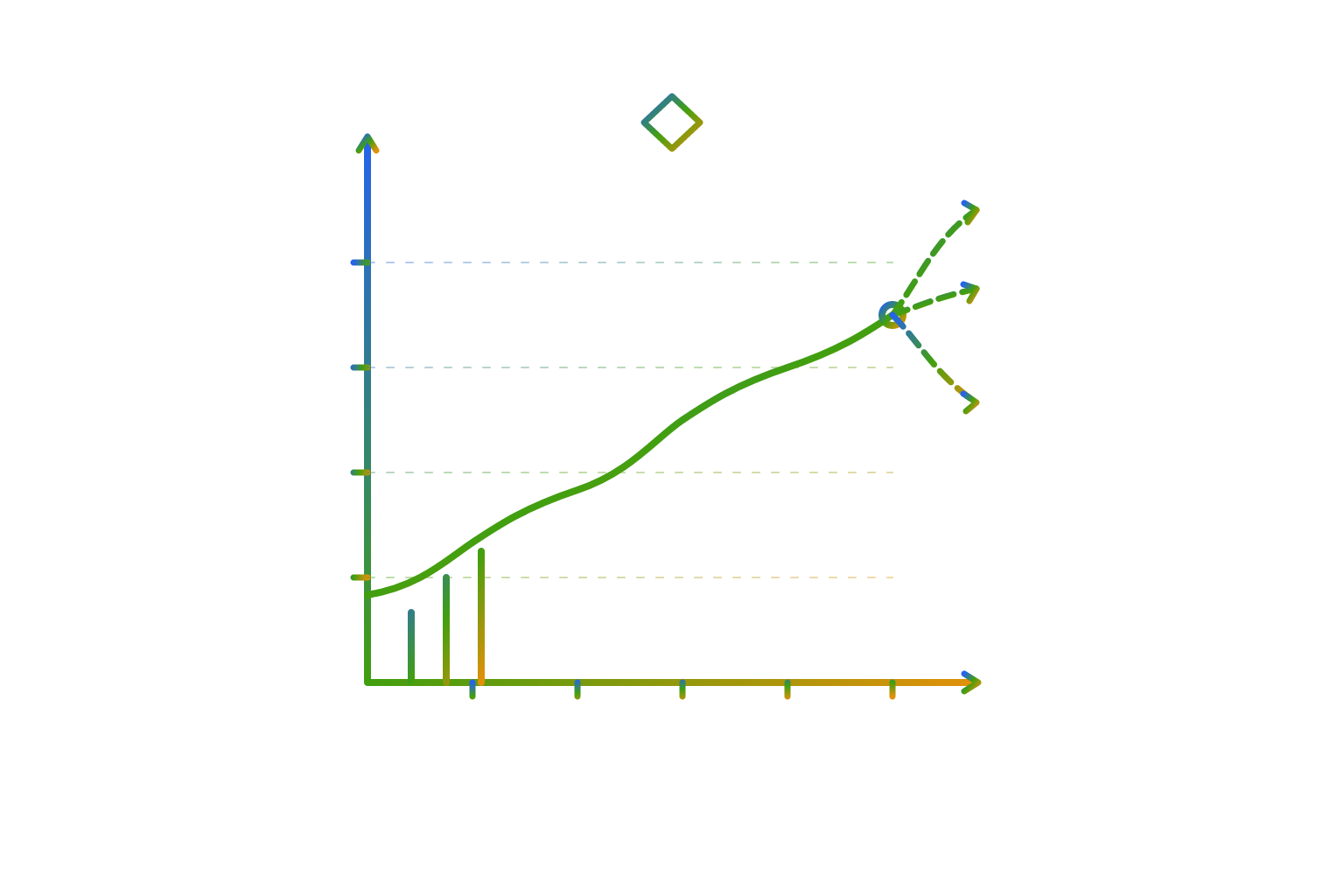
AI-powered forecasting tools can compare more than one call at a time. They can combine CRM activity, email engagement, call data, and historical patterns to produce forecasts that are not simply the rep’s submitted number. Some platforms produce bottom-up and top-down forecasts with confidence intervals and account for rep-level sandbagging and optimism patterns. These tools can help surface and reduce bias, but they do not automatically correct it.
That limit is important because visibility does not change the reward for concealment. A rep who is watched more closely may take more care over which conversations get recorded. Technology thus makes it harder to keep sandbagging, though reps can still do it. Its strongest role is to expose the discrepancy so leaders can address both the rep’s understatement of buyer progress and the incentive behind it.
The structural fixes that remove the incentive before detection becomes necessary
The lesson for leaders is to start with the compensation mechanics that make delay profitable. An audit should examine caps that create a zone where further attainment earns no additional commission. Removing or raising those caps reduces the reason to hold a ready deal. Smoothing quota increases also avoids turning one strong quarter into an automatic, outsized target hike. Compensation structures that reward consistent performance across quarters are worth considering where resets encourage reps to concentrate closes.
Process design needs the same treatment. Pipeline stages should replace reliance on a rep’s general assessment with documented buyer actions, such as a signed evaluation plan, a confirmed stakeholder meeting, or a requested invoice. Objective exit criteria make the stage easier to defend and harder to manipulate. Caution can still shape the forecast, but it should not erase a buyer action that has already happened.
Forecast reviews can reinforce that distinction by asking “what changed with this buyer since last week” alongside “what’s closing. The first question requires an account of progress. The second lets reps shape what others expect without saying as much about the deal. A regular cadence of collaborative deal and account reviews also gives the wider revenue team room to ask questions, examine strategy, and agree on next steps.
Finally, tying a portion of variable compensation to forecast accuracy gives honest reporting a direct reward instead of treating attainment as the only success measure. The aim is not to punish uncertainty, but to stop rewarding deliberate understatement. Leaders who treat sandbagging as a moral failing may get better-hidden sandbagging. Leaders who redesign the incentives, stage rules, and reviews give reps a reason to make the forecast accurate in the first place.
Notes
- How to Stop Sandbagging Leading to Inaccurate Sales Forecasting
Covered the mechanics of sandbagging in sales forecasting and why compensation structures incentivize it.
- Sandbagging in Sales: What It Is & Why You Shouldn't Do It
Explained the distinction between sandbagging and conservative forecasting and outlined common behavioral patterns.
- Sandbagging in Sales: Meaning, Risks & Better Options
Described the downstream effects of sandbagging on planning decisions including hiring, inventory, and marketing spend.
- Sandbagging (in Sales) : Definition
Discussed how commission caps and quarterly resets create direct financial incentives to delay closes.
- How To Tell If Reps Are Sandbagging The Forecast
Provided specific CRM and pipeline data signals, including stage duration and activity-to-deal-size ratios, used to detect sandbagging.
- Signs Your Sales Quota is Sandbagged And How To Fix It - Fullcast
Outlined structural fixes including removing commission caps and tying variable compensation to forecast accuracy.
- What is Sandbagging Sales?
Explained how objective pipeline stage exit criteria based on documented buyer actions make sandbagging harder.