Essay Sales
Outbounding in Sequenced Multichannel Cadences
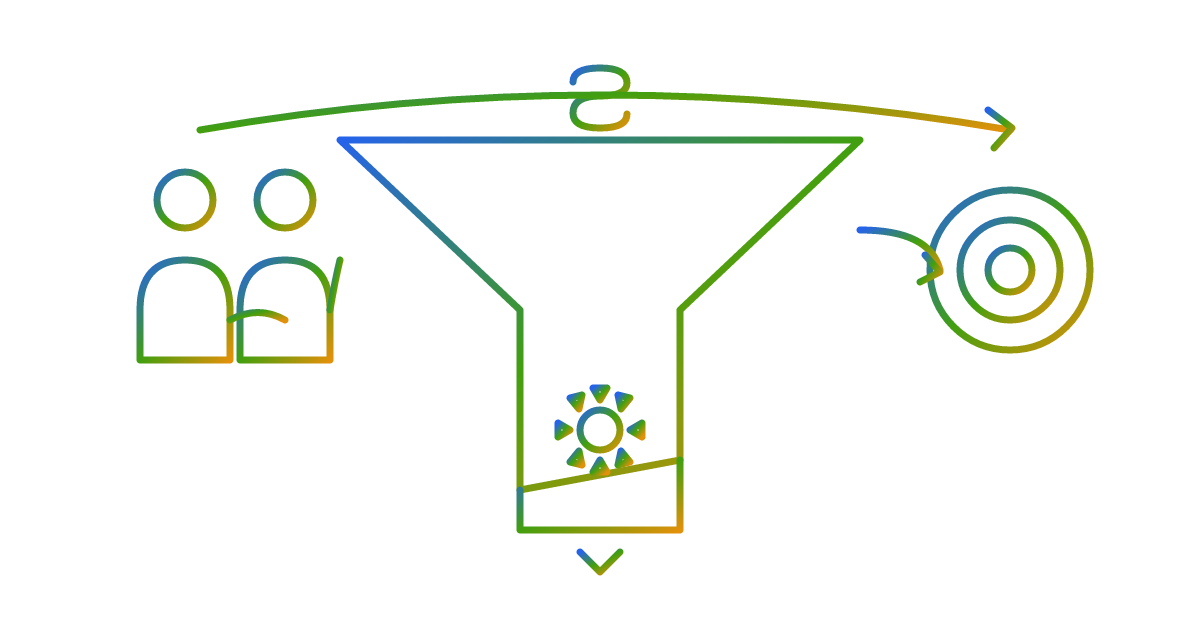
Precision targeting and multichannel timing replace volume in modern outbound.
Teams are sending more outreach than ever and getting less pipeline back. The failure is a model problem: outbound today still runs on assumptions built for a world where inboxes were wide open, spam filters barely functioned, and buyers had no real way to screen a stranger before picking up the phone.
That world ended on three fronts at once, and buyers stopped responding before the first sentence finished.
Part of this is self-inflicted. Sales orgs optimized for the metrics that were easiest to count: dials placed, emails sent, sequences enrolled. Those numbers climbed, reviews looked great, and sender reputation and caller ID health quietly burned down in the background. Pipeline did not follow. That is not an accident; it is what happens when a team measures motion instead of outcome.
Buyers adapted faster than most sales orgs did. The 2026 outbound model treats precision as the main lever for getting through, not volume, and it manages deliverability, caller ID health, and data quality with the same discipline it used to reserve for rep activity. The rest of this piece is about what that precision actually looks like in practice.
Cadences vs. Sequences: Clear Definitions First
A sales cadence and a sales sequence get used interchangeably by people who should know better, and that confusion is where a lot of outbound programs go sideways before they even launch.
A cadence is built from four parts. Touchpoints are the specific outreach activities: the actual email, call, or LinkedIn message. Timing and spacing cover how many days sit between each touch. Duration is the total length of the sequence from first touch to last. Messaging is the content itself, shaped around the persona, the industry, and where the buyer sits in their decision process. Leaving any one of those four out turns the cadence into a loose pile of activities with a shared spreadsheet tab.
A cadence worth running identifies who gets contacted, when each touchpoint lands, which channel carries each step, and what message or proof asset rides along with it before a single email goes out. Skipping one of those questions means the sequence runs on guesswork dressed up as strategy.
Outbound cadences and inbound cadences are not solving the same problem, and treating them the same is a common and costly mistake. Inbound leads already raised a hand. Outbound starts from zero. The prospect has never heard of the rep, the company, or the product. The sequence has to do more work: more education, more personalization, more proof before anyone replies.
Name Recognition Drives Buyer Response Rates
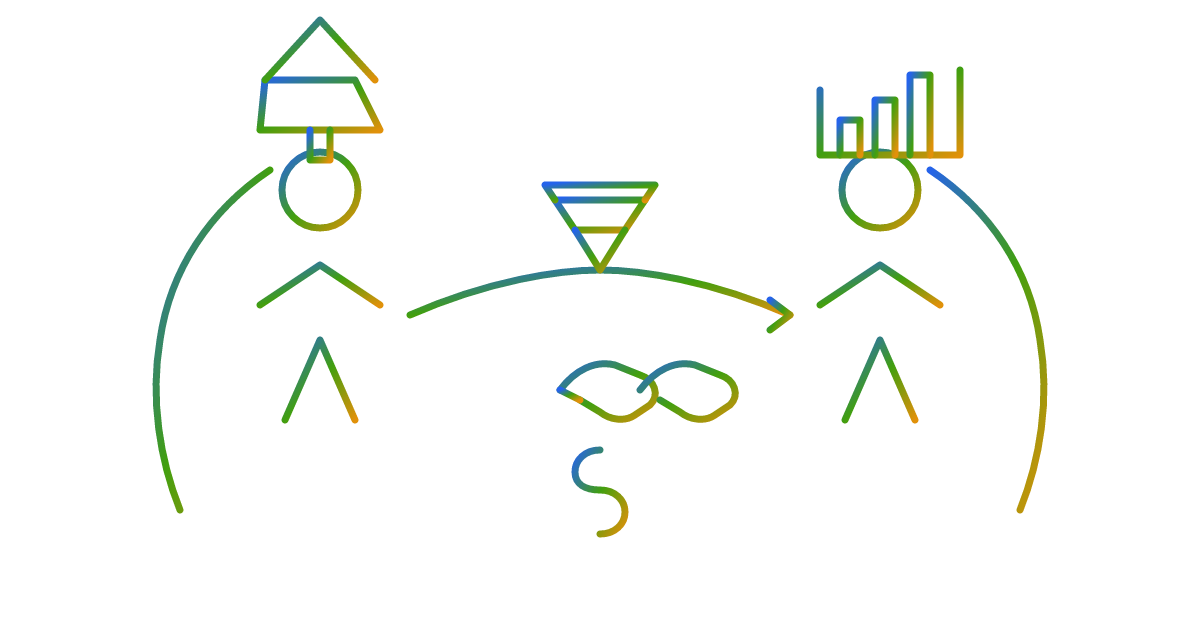
Sequenced multichannel cadences do not work because they hit a prospect more times. They work because they engineer name recognition before the rep ever asks for anything. That distinction changes what the sequence is actually designed to do.
A prospect who scrolls LinkedIn in the morning and notices a rep's profile already has a higher probability of answering a subsequent call than one encountering that rep's name for the first time by phone. The mechanism is straightforward: prior exposure reduces the friction of an unknown caller.
Multichannel cadences with pre-call recognition built in outperform single-channel outreach because the channel rotation does the trust-building, not just the coverage. Running three channels makes sure the third touch feels like a continuation of the first two, not a cold restart.
A second mechanism runs alongside recognition: buyers do not all live in the same channel. A prospect who ignores every email will often still answer a call. A single-channel strategy is betting the entire outcome on guessing a stranger's communication habits correctly on the first try.
RAIN Group research shows buyers are significantly more likely to accept a meeting when the outreach is customized to their specific situation. Recognition gets attention. Relevance keeps it. The two compound each other, shaping the structural choices covered next: which channel goes first, how many touches follow, and how far apart they land.
Channel Order and Timing Shape Conversion
Which channel comes first and how many days separate each touch shape conversion as much as the words inside the message do. That is a structural fact about how sequences perform, not an exaggeration.
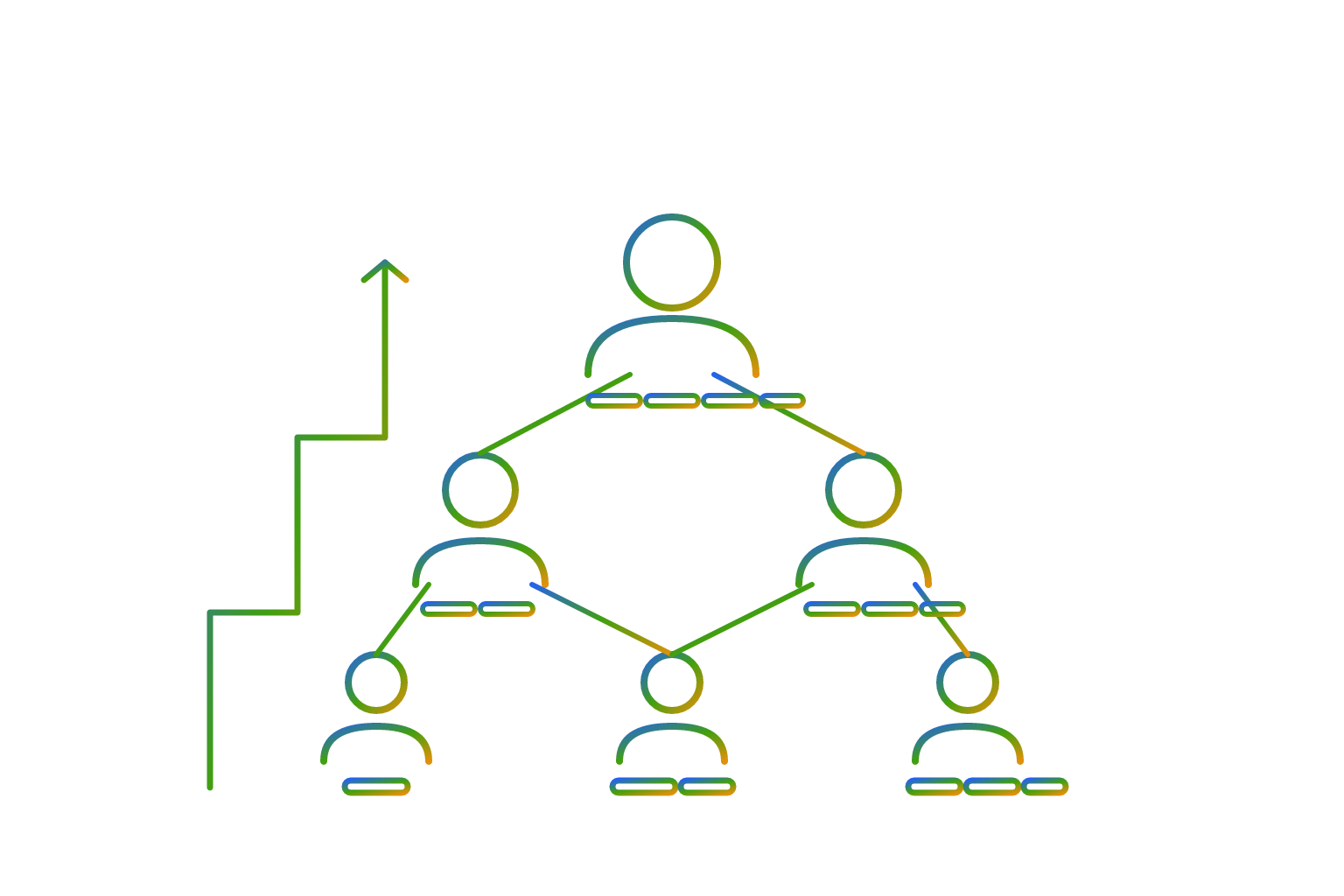
The strongest multichannel outbound sequences run several touches across multiple weeks, tiered by account value and how strong the buying signal looks. Enterprise accounts need the most touches, often stretched across the longest timeline, because more stakeholders means more time and more proof required before anyone commits.
Timing follows a front-loaded pattern. Early touches land close together, stacked within days of each other, because the goal early on is building recognition quickly. As the sequence matures, the spacing widens. Contacting a prospect every single day for six weeks is not persistence; it is a reliable path to getting blocked.
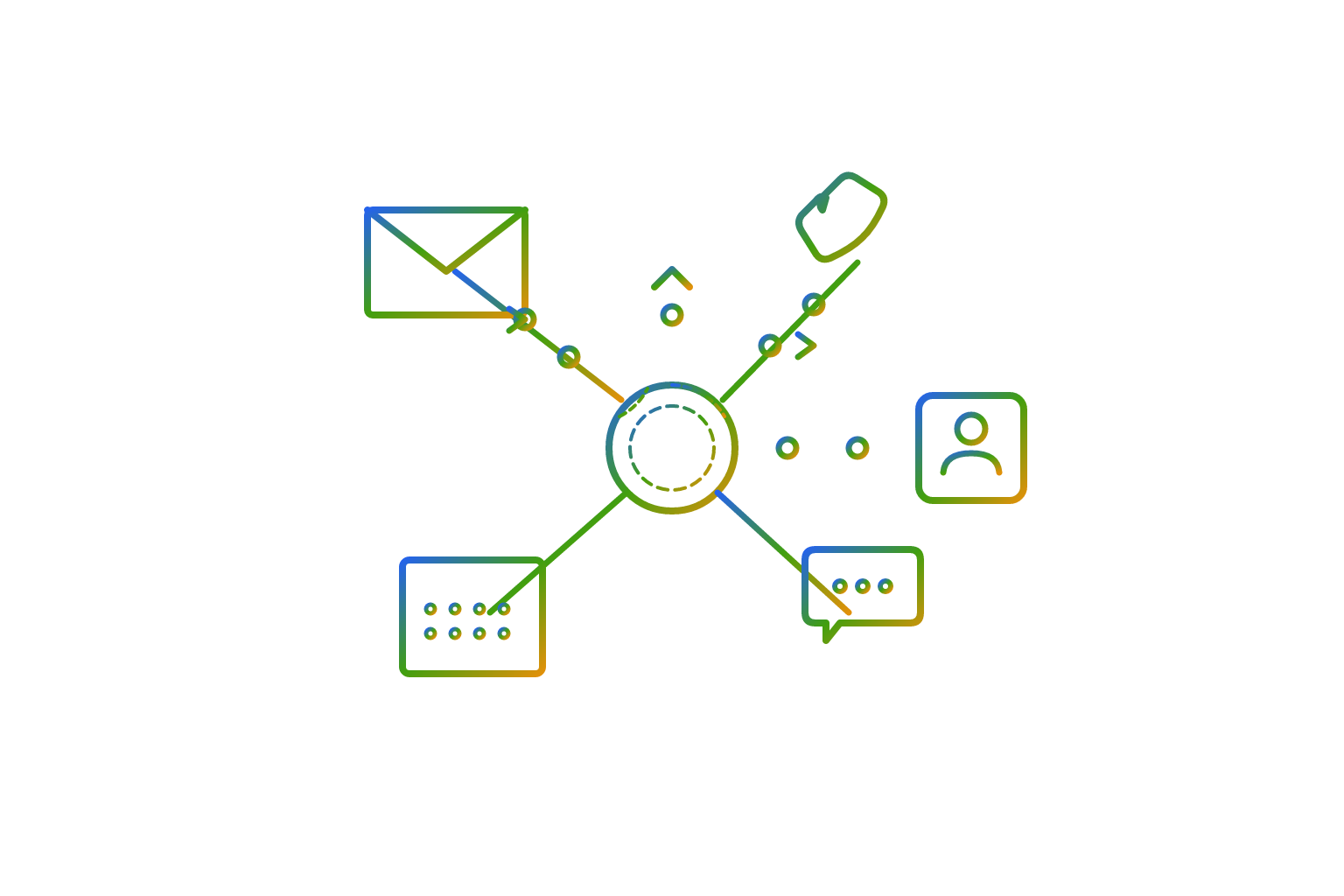
Channel weighting inside the sequence is not an even split. Email carries the highest volume because it is cheap to send, easy to automate, and easy to track. LinkedIn builds credibility and carries real weight in complex B2B deals where a buyer wants to see a real person with a real track record before engaging. Phone calls work because the earlier touches did the priming. Email and social prepare the conversation before the rep initiates a direct exchange.
Research from multiple sources points to the same broad conclusion: omnichannel sequences combining email, phone, and LinkedIn convert at meaningfully higher rates than single-channel outreach, even though the exact multiplier shifts depending on which study is doing the measuring.
RAIN Group's Top Performance in Sales Prospecting research puts a hard figure on the opportunity still sitting on the table: 82% of B2B buyers accept meetings at least sometimes with sellers who reach out first. The channel is not broken. The execution model wrapped around it is what needs rebuilding, and recognition plus relevance is what rebuilds it.
Those numbers climbed, reviews looked great, and sender reputation and caller ID health quietly burned down in the background.
Bad Data Kills Sequences Before They Start
A perfectly timed, perfectly sequenced, multichannel cadence sent to the wrong person produces worse results than a plain three-email sequence sent to the right one at the right moment. Structure cannot rescue a bad list.
Every high-performing sequence starts with a tightly defined Ideal Customer Profile and a verified, signal-enriched contact list. Skipping that foundation means even the sharpest copywriting produces a pile of bounced emails and unanswered calls. The ICP itself has to be specific: industry, company size, tech stack, growth stage, and the exact pain the product solves. "Mid-size companies that might need this" is not an ICP; it is a guess wearing a document template.
Intent signals work best as entry gates, not decoration. A sequence should fire because something happened, not because a name sat on a static list uploaded three months ago. Each signal indicates that right now is the moment a particular account is worth engaging.
Signals do not just tell a rep who to contact; they tell a rep when the recognition effort is actually going to land. Reaching someone the week they changed jobs or the week their company raised a funding round means the cadence arrives while attention is already somewhat available, rather than competing against a totally indifferent inbox.
Signal-led targeting is replacing volume-first list building as the main lever for outbound performance. Data freshness has to be treated as an ongoing job, not a one-time setup task completed during onboarding. One bad batch of bounces and a domain's reputation takes a hit that follows every future email sent from it.
Deliverability Is a Cadence Design Problem
Deliverability is a design constraint that shapes the cadence itself, not a side issue for the IT team to handle quietly in the background.
Google and Yahoo rolled out bulk-sender requirements in 2024. Teams that had been running the same aggressive, high-volume email cadences for years suddenly found themselves landing in spam folders overnight.
Deliverability now belongs inside the sequence-design conversation. SDRs need to confirm SPF, DKIM, and DMARC records are configured correctly on the sending domain. Every email needs a one-click unsubscribe. Daily send volume per inbox needs a cap, because exceeding that cap is one of the fastest ways to trigger bulk-sender filters. A high bounce rate does not just hurt the one list it came from; it drags down the sender score for the entire domain, and every future email lands in spam more often as a result.
Phone outreach faces similar constraints around caller ID health and flagging. Neither channel can carry the entire sequence by itself anymore. That is precisely why the multichannel structure covered earlier stopped being optional and became the baseline requirement.
Linear Sequences Ignore Buyer Engagement Signals
Most cadences still run as a straight line: step one, step two, step three, in that exact order, regardless of what the prospect actually does along the way. That rigidity wastes the signal data that most outbound tools are already collecting in the background.
Consider what a linear sequence does with two very different prospects. One opened an email twice, visited the pricing page, and accepted a LinkedIn connection request. The other did absolutely nothing. A linear sequence treats them identically, moving both to the same next step on the same day. Those two people are not in the same place and do not warrant the same next action.
An effective cadence uses engagement data, including opens, clicks, website visits, and call outcomes, to decide what happens next. If a prospect opens an email, that is the moment to call, while attention is still warm. If a prospect accepts a LinkedIn connection, a voice message makes more sense than another email, because the prospect has indicated where their attention currently lives. If seven days pass with zero activity, the sequence should shift to a lower-frequency track or exit entirely rather than continue on autopilot.
Cadence design in 2026 is signal-led, not calendar-led. Triggers like intent data, job changes, and site visits should speed up or redirect the sequence in real time rather than wait for a fixed follow-up day to arrive on schedule.
Branching logic also has to govern when a sequence stops, not just when it accelerates. Clear exit rules built into the structure prevent the failure mode where persistence tips over into harassment. That failure does real damage: it burns sender reputation and reduces the outreach capacity available for every future campaign running from the same domain.
Buyer Enablement Assets Close the Conviction Gap
Good copy gets a message opened. It rarely closes the gap between a skeptical stranger and a signed deal by itself. Buyer enablement assets earn their place inside the sequence by closing that gap. These are the proof-carrying pieces, including case studies, ROI calculators, comparison sheets, and short demo clips, that let a prospect build conviction on their own time, without a rep present.
A mid-sequence touch that drops a relevant case study lets the prospect build their own conviction from evidence. That matters most in longer, higher-stakes sales motions, where buyers often loop in colleagues before committing to anything, and those colleagues never sat through the first call. A well-placed asset becomes the piece that gets forwarded internally, carrying the pitch into a room the rep was never invited to enter.
Recognition gets the call picked up. Relevance gets the message read. Signals get the timing right. Enablement assets are what let a prospect validate everything on their own terms, at their own pace, which is often the last piece standing between a reply and a signed deal.
Notes
- What Are Sales Cadences? The 2026 Guide to Sequences That Actually Move Pipeline
Provided the four-part framework (touchpoints, timing, duration, messaging) used to define what a cadence is built from.
- Outbound Sales in 2026: Process, Channels & Tips
Supplied the framing that outbound starts from zero, with no prior buyer awareness of the rep, company, or product.
- Sales Cadence - Definition & B2B Examples
Supported the observation that 'sales cadence' and 'sales sequence' are commonly used interchangeably in the industry.
- B2B Cold Email Statistics 2026: Benchmarks & What Works Now
Supplied the point that a high bounce rate damages the sender score for an entire domain, affecting all future emails.
- Bulk email restrictions from Google, Yahoo, and Microsoft: What you need to know
Provided the background on Google and Yahoo's 2024 bulk-sender requirements that forced teams to rethink high-volume email cadences.