Customer Interaction Examples Across the B2B Lifecycle
Most B2B deals are already half-decided before your rep ever hears a name.
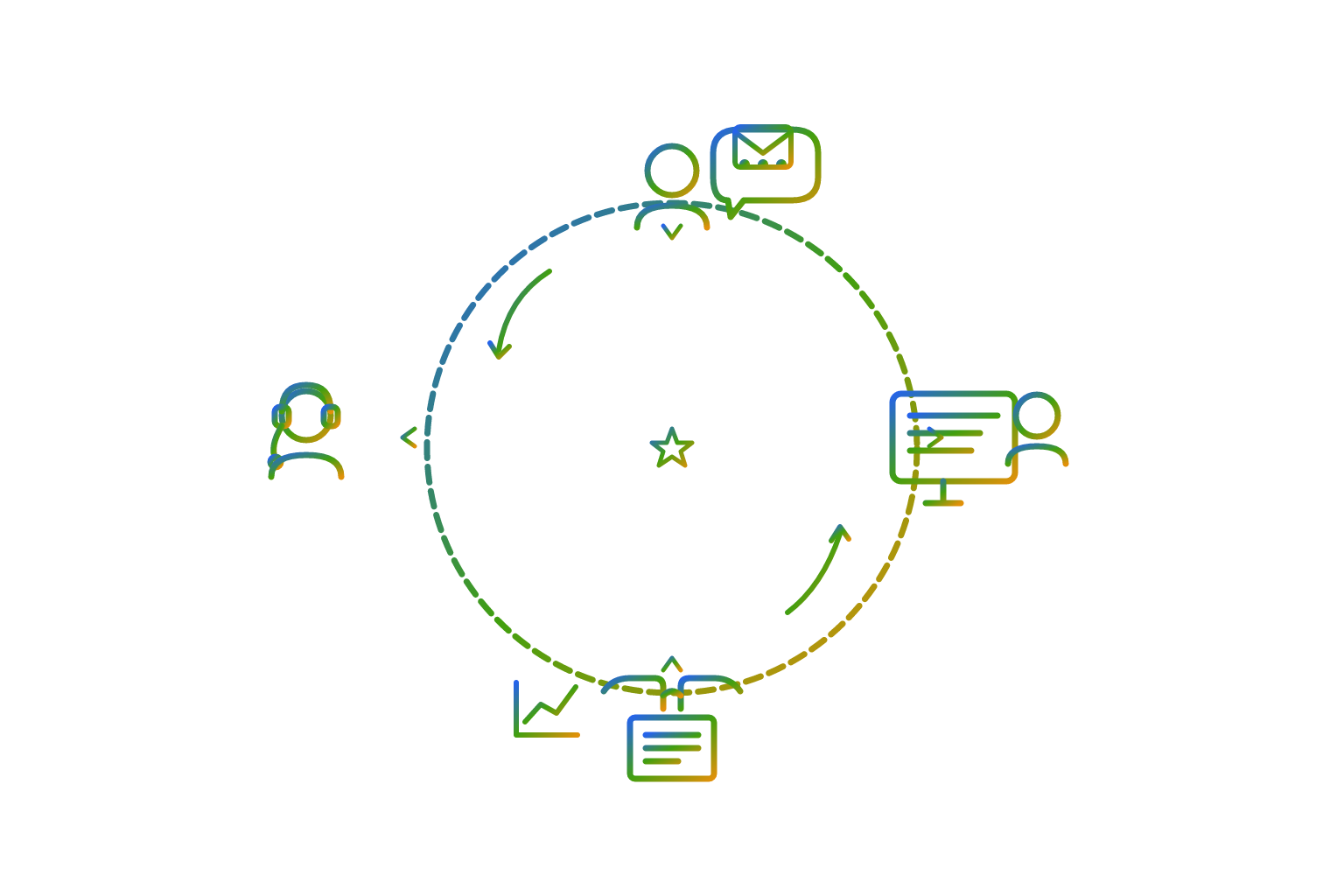
The lifecycle model everyone learned (Awareness, Consideration, Conversion, Retention, Advocacy) is real, but it's a set of labels, not a script. The actual work lives in the interactions that get a buyer from one label to the next: the calls, the comparison pages, the Slack mentions, the quiet moments where someone decides something without telling anyone. This piece walks through those interactions stage by stage, and it takes a position most sales-led playbooks won't like: by the time your rep gets a name on a form, the deal is often already half-decided, and nothing your rep says in that first call matters as much as what happened before it.
The journey itself is messier than the diagram suggests. Buyers don't move stage to stage on a conveyor belt, they loop. A procurement lead re-enters "consideration" halfway through conversion because legal raised a new question. A happy customer slides back into awareness when their company gets acquired and the whole tech stack gets re-evaluated overnight.
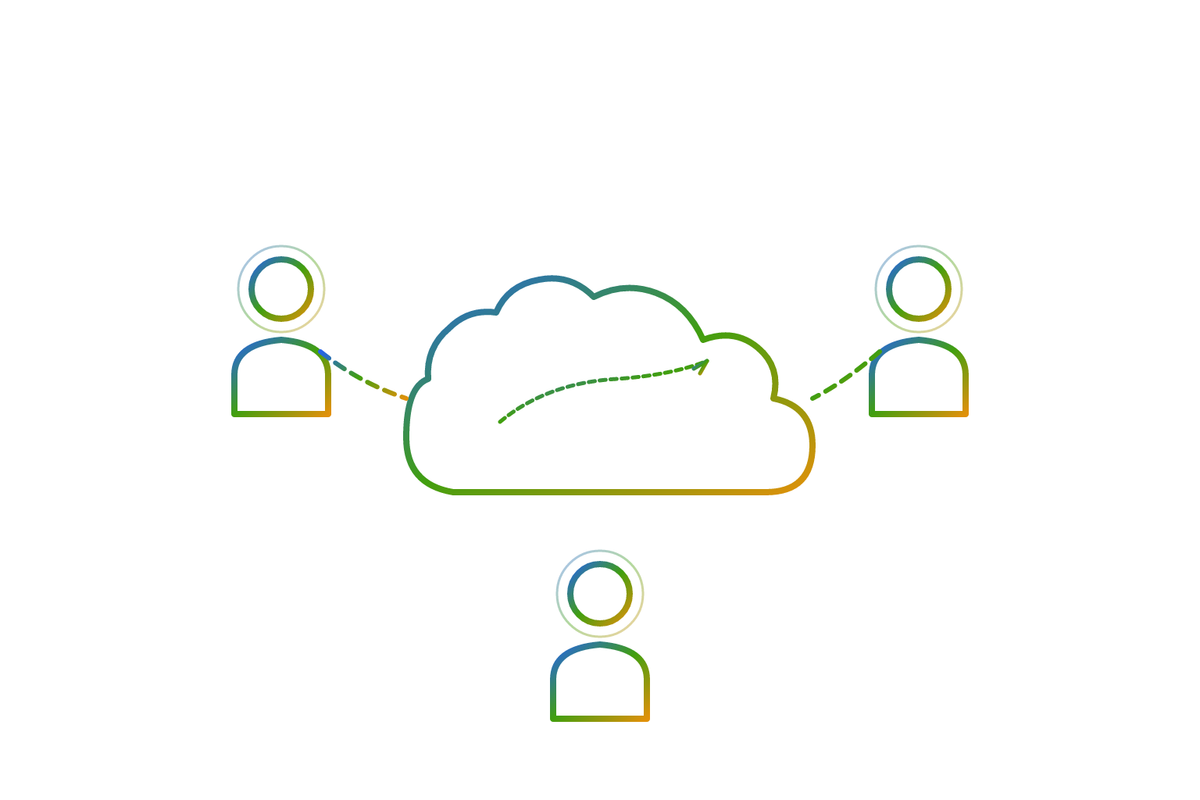
Here's the part that should actually worry anyone building a sales-led motion: most of the buyer's journey happens before a vendor hears a word. Buyers research, compare, and build internal consensus mostly on their own, and a meaningful share of decision-makers, especially younger ones, would rather finish the entire evaluation without ever talking to a salesperson. Nobody's being rude about it. They just don't need a rep to answer questions a well-written comparison page already answers better, faster, and without a follow-up email.
That has a blunt consequence. The interactions that matter most, early on, are the ones the buyer chooses to have, not the ones a vendor schedules. The first vendor to show up in that self-directed research tends to win a disproportionate share of the deal, simply by becoming the reference point everyone else gets measured against. Buyers also touch more channels than they used to: review sites, LinkedIn, forums, AI chat tools, peer Slack groups. The journey got longer and wider at the same time, which is not a combination most sales orgs are built for.
The practical fallout shows up in every section below. An interaction that's perfect in one stage can actively damage the deal in another. A demo pitched at someone who hasn't named their problem yet reads as pushy, like showing up to a first date with a ring. A case study sent to someone who already signed reads as noise. Stage-matching isn't a nice-to-have. It's the whole game, and most of what looks like a messaging problem is actually a timing problem wearing a messaging costume.
Awareness stage interactions: the moments that help buyers name their problem
Awareness is the buyer noticing a symptom, a cost overrun, a competitor pulling ahead, a process that keeps breaking, before they have any language for what's causing it. An awareness-stage interaction does one job: hand the buyer a name for what they're feeling, well before any pitch enters the room.
Picture where this actually happens:
- A decision-maker reads a long-form piece that takes a recurring headache and gives it a category name, turning "this keeps annoying me" into "oh, this is a known problem with known fixes."
- A buyer scrolls past a brand post on LinkedIn but stops on one from an actual practitioner, someone in the trenches, saying the quiet part out loud.
- Someone types a symptom into a search bar (something like "why does our sales cycle keep stalling") and lands on a post that reframes the question instead of just answering it.
- A team downloads a benchmark report to check if their numbers are normal, and finds out they're not even close.
- People sit through a conference talk not because they're shopping, but because the topic happens to matter for their quarter.
Notice what's missing from that list: a pitch. The brand is in the room, but it isn't selling anything yet, and that restraint is the entire point. Thought leadership that takes a real stance ("this common practice is actually broken, here's why") does more work here than neutral, safe content, because it gives the buyer a frame to think in, not just another fact to file away.
One channel shift is worth calling out directly. AI answer engines are becoming a default place people ask symptom-level questions, and someone typing a pain-point question into a chat tool is having an awareness-stage interaction, full stop. Whichever brands get surfaced in that answer are shaping the buyer's shortlist before a single website visit happens. That's a new front door, and it behaves nothing like a search results page: there's no ten blue links to scroll past, there's one answer, and you're either in it or you don't exist yet.
A weak awareness interaction is easy to spot once you know the shape of it: a banner ad, a cold promotional email, anything that opens with the product instead of the problem. It's the equivalent of walking up to a stranger at a funeral and pitching them a timeshare. Wrong room, wrong moment, wrong everything, and no amount of polish fixes wrong.
Consideration stage interactions: what happens when buyers compare and interrogate
Something shifts once a buyer knows the category exists. The question stops being "is this a real problem" and becomes "which approach, which vendor, which tradeoff am I willing to live with." Interactions get longer here, more specific, and more people show up to the table, often for the first time.
The real moments look like this:
- A buyer reads a comparison page that's honest about tradeoffs, with real weight given to competing options instead of a rigged scorecard.
- A buying committee books a demo not to browse features but to test one specific workflow they already wrote down somewhere.
- A champion hands an ROI calculator to a finance stakeholder to pre-empt the "what does inaction cost us" conversation before it starts.
- Someone attends a vendor webinar built around a practitioner working through a real example, not a rep working through a slide deck.
- A procurement lead files a formal RFP, turning informal window-shopping into a structured, comparable process.
- A technical evaluator drops a pointed question into live chat: does this integrate with our existing stack without custom development, yes or no.
The quality signal to watch for: the buyer is doing intellectual labor. They're stress-testing claims, building a case they can defend internally, comparing notes with people who weren't in the room for the demo. Content that earns trust here tends to be opinionated and specific: case studies from companies with recognizable, similar constraints, documentation that shows implementation instead of describing it in marketing language, direct answers to objections buyers are already quietly carrying.
By this stage, it's rarely one person making the call. It's a committee, and an interaction built for the champion alone leaves the finance stakeholder, the technical evaluator, and the skeptical VP with nothing to work from when they meet without you in the room. Third-party validation carries outsized weight too: analyst mentions, review sites, editorial coverage, none of it from the vendor's own mouth, which is exactly why it lands when the vendor's own mouth wouldn't.
Conversion stage interactions: what moves a buyer from decided to signed
Most people assume conversion starts the moment the buyer says yes in their head. It doesn't. It starts the moment the vendor stops selling and starts clearing obstacles out of the buyer's own path, and deals rarely die here from objections. They die from friction the buyer's own organization throws up, procurement, legal, security, three departments that have never met the product and don't much care to.
Here's what the friction-clearing looks like in practice:
- Security or compliance asks for SOC 2 reports, data processing agreements, privacy documentation, and it's already sitting there ready, no scavenger hunt required.
- A champion asks for a one-pager built for someone who wasn't in any of the demos, because that's who needs to sign off next.
- Legal starts redlining the contract, and how fast, and how flexibly, the vendor responds becomes the defining interaction of the entire relationship, before the relationship has even started.
- Pricing shifts from a generic list price to a proposal shaped around how the buyer will actually use the product.
- A reference call gets arranged so an existing customer can tell the prospect's counterpart, candidly, what implementation actually felt like.
- Right after verbal agreement, a "here's what happens next" email lands: timeline, named contacts, next steps, before any cold feet have time to set in.
The pattern across all of it: the vendor absorbs the buyer's internal coordination headache instead of piling on more persuasion. Nobody needs convincing at this point, they need the process to stop being annoying. A slow response to a compliance request, a boilerplate proposal that ignores everything the buyer just spent three meetings explaining, radio silence between handshake and signature, that's how conversions quietly stall out, not with a dramatic no but with a slow fade.
Onboarding and early adoption interactions: where retention is actually won or lost
Whatever happens in the first few weeks after signing sets the tone for the entire relationship, and this is the stage most companies most underfund relative to how much it costs them later. Customers who don't hit a genuine "okay, this actually works" moment early are at real risk of churning, and a lot of that later churn traces straight back to a rocky or absent onboarding.
What this looks like when it's done right:
- A kickoff call sets real milestones with named owners on both sides, distinct from the sales pitch and its slides.
- A welcome email sequence fires based on what the user has actually done in the product, not a fixed day-three, day-seven calendar that ignores them.
- An in-app checklist points a new user toward one specific outcome, instead of dragging them through a feature tour nobody asked for.
- A customer success manager notices, at the two-week mark, that a key integration still isn't connected, and sends a short walkthrough before anyone has to ask.
- The admin, the end user, and the executive sponsor each get onboarding material built for their actual goal, because those three people want completely different things from week one.
- A short video shows how a similar customer used the product in month one, so "good" has a picture attached to it instead of staying abstract.
The goal is activation, not education. The sale is done; the buyer needs to succeed now, and that's a different job entirely from explaining features for their own sake. Customers who get clear, welcoming onboarding material tend to stick around longer, which makes this stage a retention investment wearing a customer-support costume. Worth remembering too: a large share of growth at top SaaS companies comes from expanding existing accounts, not new logos, which makes onboarding the opening chapter of the expansion story, not a box to check before the real work starts.
Retention and expansion interactions: the ongoing touchpoints that deepen or erode the relationship
Retention isn't a resting state, and treating it like one is the mistake. It takes active, repeated interaction, and its absence is itself a message, one that reads as neglect whether or not that was the intent.
The touchpoints that actually keep an account healthy:
- A quarterly business review that shows the customer their own usage data next to relevant benchmarks, framed as a performance conversation, with the renewal pitch left implicit.
- A proactive check-in triggered the moment usage dips, arriving before the customer has filed a single complaint.
- A product newsletter that explains new features in terms of what the customer can now do, connecting the engineering roadmap to the customer's own goals.
- An in-app prompt suggesting an expanded capability tied to a use case the customer is already running, targeted rather than random.
- A user community or event where customers trade solutions with each other, peer to peer, with the vendor sitting quietly in the back row.
- A renewal conversation that starts three months out, anchored in value already delivered, well ahead of any scramble before the contract lapses.
Here's a distinction worth drawing a hard line around: expansion and upsell are not the same thing, and treating them the same is how you lose accounts you thought were safe. Expansion grows out of a customer who's already gotten real value and wants more of it. Upsell is pressure applied to someone who hasn't gotten there yet, and it feels exactly like what it is, which is why customers can smell the difference from one sentence into the pitch. Adoption guides, advanced tutorials, renewal playbooks: all of it exists to stretch value past what the product does on autopilot, and to stop a customer from assuming they've hit a ceiling that was never actually there. The most honest health check for any of this isn't a satisfaction score, which measures how someone feels this week. It's net revenue retention: is the account growing, holding steady, or quietly shrinking while everyone stays polite about it.
Advocacy stage interactions: the touchpoints that turn satisfied customers into credible voices
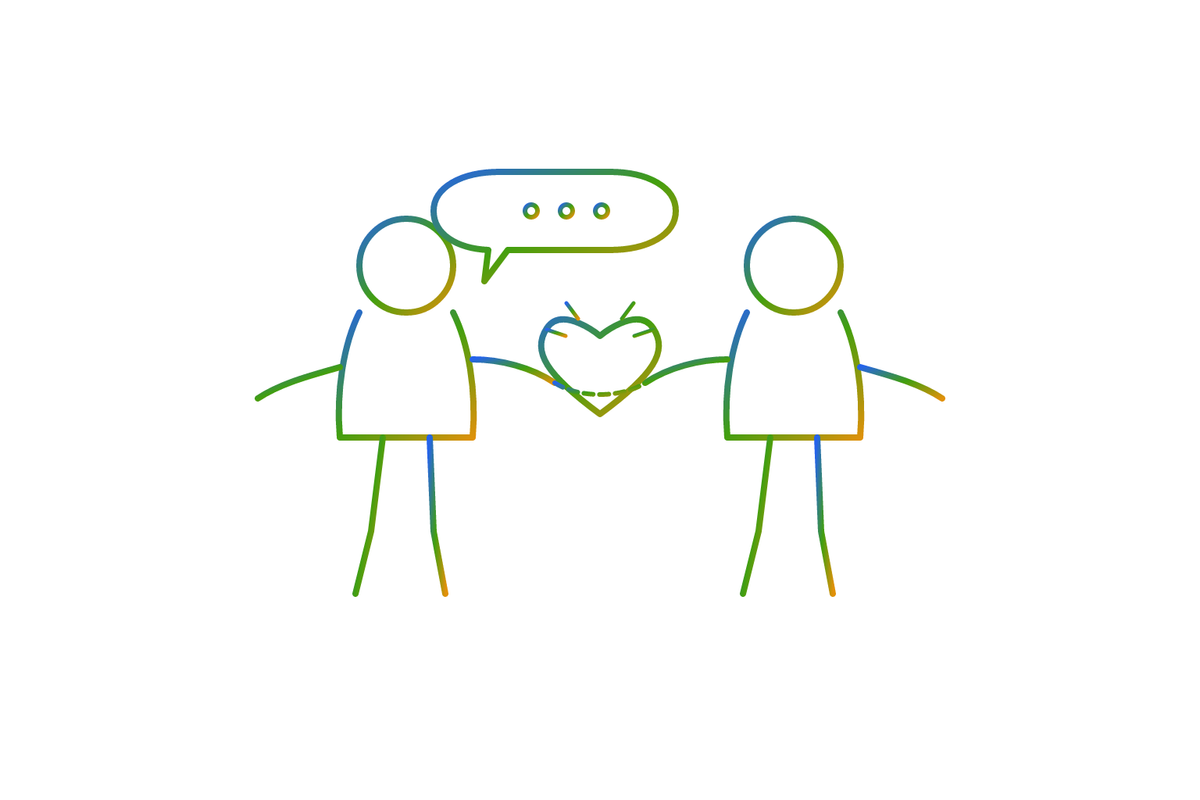
Satisfaction and advocacy get lumped together constantly, and they shouldn't be. A customer can be perfectly happy and still say nothing to anyone, ever. Advocacy requires an actual interaction where that customer chooses to speak on the vendor's behalf, unprompted or nearly so.
What that looks like in practice:
- A customer agrees to co-author a case study that tells the implementation story from their own point of view, challenges included, not sanded off.
- A reference call connects a happy customer with a prospect who shares their job title and their constraints, and they just talk.
- A review shows up on a credible third-party site, addressing the exact concerns a buyer in evaluation mode is quietly carrying.
- A customer takes the stage at a vendor event or industry conference, speaking as a practitioner with a real story, not a script.
- A LinkedIn post from a practitioner mentions the vendor by name while describing how they solved a real problem: no sponsorship, no ask, just a credible mention that happened organically.
- A customer gets asked for a recommendation in a community Slack thread, and just gives it.
None of it is vendor-controlled, and that's precisely why it carries so much weight. A case study, a reference call, a random community mention, all of them land harder than the identical claim printed in a sales deck, because the audience trusts the messenger over the marketing department every single time. AI answer engines are leaning the same direction, increasingly citing independent reviews and community mentions over anything a vendor publishes about itself, which makes advocacy content some of the most valuable material a company doesn't fully control.
Here's the loop closing: an advocate's LinkedIn post or a published case study is very often the first interaction a brand-new buyer has with a brand, before that buyer even knows they're in a buying process. Advocacy restarts the lifecycle as much as it closes it. Vendors can't script this part, but they can set the conditions for it: ask at the right moment, cut the friction out of leaving a review, and give customers something they're actually proud to put their name on.
Why the same interaction lands differently depending on where the buyer actually is
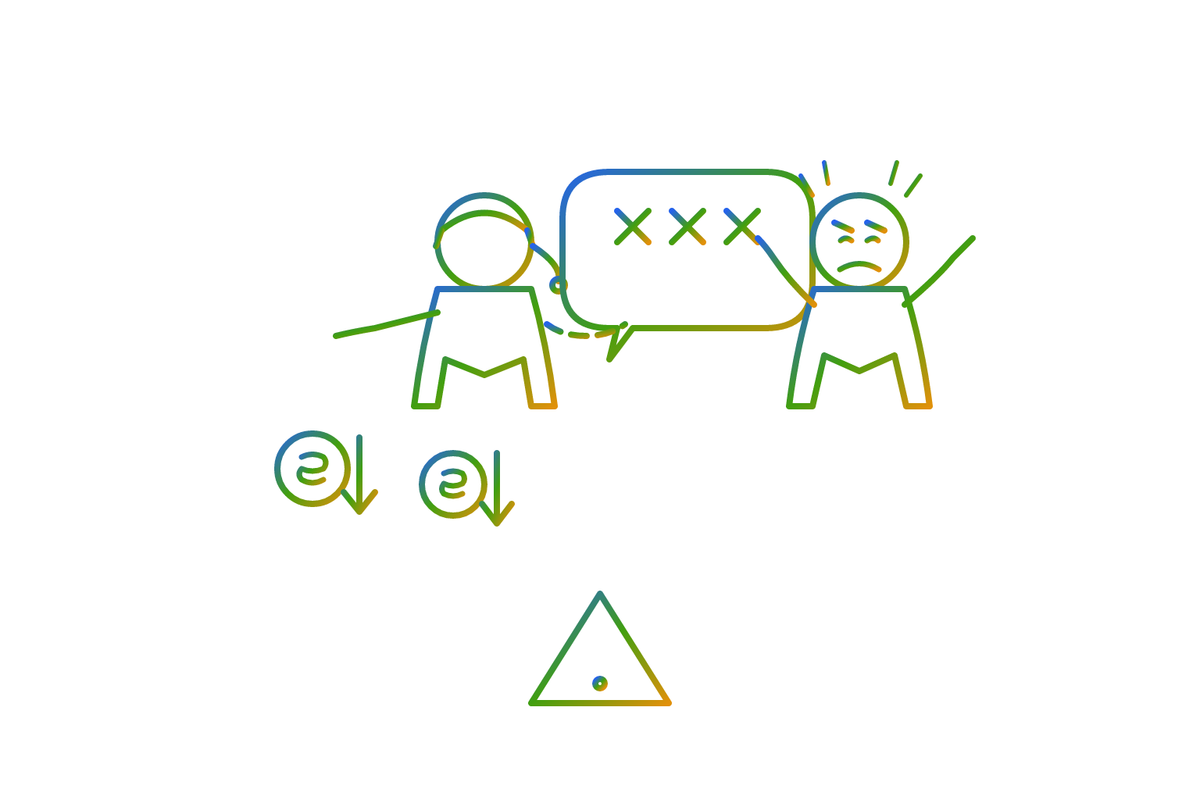
Stage mismatch is the single most common way all of this breaks, and it's almost always the actual root cause when a "content problem" or "messaging problem" gets diagnosed. A demo offered before a buyer has named their problem. A case study that arrives after someone already signed. An expansion pitch aimed at a customer who hasn't figured out how to use half the product yet. Same interaction, wrong moment, completely different reaction, and no amount of rewriting the copy fixes a timing error.
One question covers nearly every interaction on this list: what does the buyer need to be true right now, and does this actually serve that, or is it serving the vendor's agenda instead? That's the whole diagnostic. It isn't complicated. It's just easy to skip when a quarterly target is due.
The non-linear reality makes this harder, not easier. Buyers loop back into earlier stages constantly: a reorg happens, a new stakeholder shows up, a competitor pitches the same VP six months later. Interactions built assuming a straight line from awareness to advocacy misfire the moment a returning buyer shows up somewhere unexpected on that supposed line, and a straight line is not what most B2B buying actually looks like.
Channel matters as much as content, maybe more. The exact same message, delivered by a sales rep in month one versus a peer advocate in month six, carries a different level of trust depending entirely on who's saying it, not on how well it's written.
A useful audit, if any of this sounds familiar: map every interaction currently in use to the stage it was actually built for, then check it against the stage it's actually being deployed in. The gaps tend to show up fast, and once someone actually looks, they tend to be embarrassingly obvious.
One last thing worth sitting with. Every interaction across all six stages leaves a trace now: a blog post, a case study, a community mention, an answer an AI tool decided to cite. That trace shapes the next buyer's awareness before any direct contact ever happens. The lifecycle compounds. One customer's journey becomes the raw material for the next one's, whether anyone planned it that way or not.